
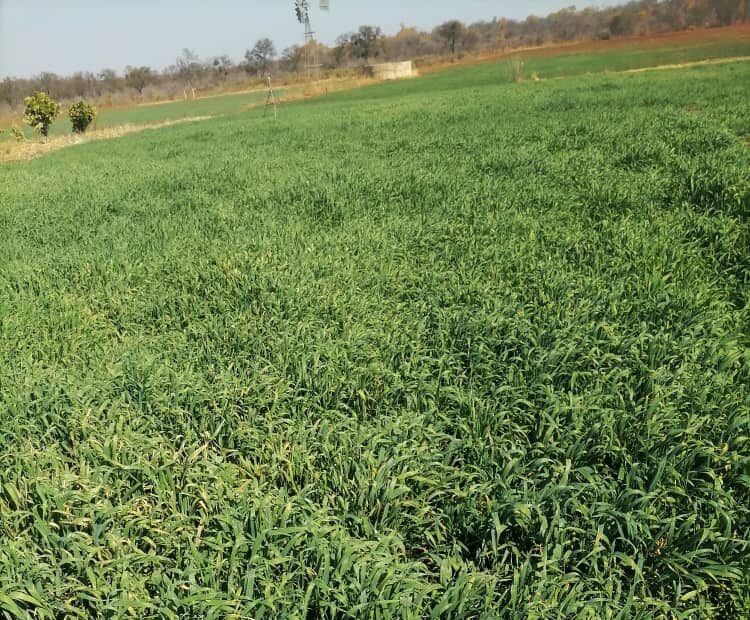
Oats (Avena sativa)
Overview
Oats is a cool-season annual cereal valued for high-quality forage, cover cropping, and soil protection. It establishes quickly in temperate to subtropical highland regions and fits well into winter grazing rotations.
Key Features
Rapid germination and establishment
Fine, tender leaves with good palatability
Effective soil cover to reduce erosion
Key Benefits
Provides high crude protein (12–16%) in cool months
Suppresses weeds through vigorous early growth
Improves soil organic matter when plowed in
Agronomy and Management
Thrives at 10–25 °C; growth slows above 30 °C
Prefers fertile, well-drained loam or clay-loam soils with pH 5.5–7.5
Responds strongly to phosphorus applications and split nitrogen dressings
Establishment
Seedbed: fine, firm, moist
Sowing depth: 2–3 cm
Rainfed rate: 80–100 kg/ha; irrigated: 100–120 kg/ha
Ideal sowing: late autumn to early winter
Pest and Disease Resistance
Rotate to avoid rust and mildew buildup
Select rust-resistant cultivars where available
Monitor for aphids and apply insecticidal soaps if needed
Performance
Dry matter yield: 8–15 t/ha per season
Can be cut for silage or swath-harvested for hay
Animal Production
Crude protein: 12–16%
Digestibility: 70–80%
Supports stocking rates of 3–5 cattle-days/ha in winter
Suggested Sowing Rates
Grazing: 80–100 kg/ha
Hay or silage: 100–120 kg/ha