Our Seeds
Choosing the right pasture seeds is essential for livestock health, productivity, and sustainable land management. Pasture Seeds provides a wide selection of premium organic seeds tailored to different animals and farming conditions, ensuring optimal growth and nutrition.
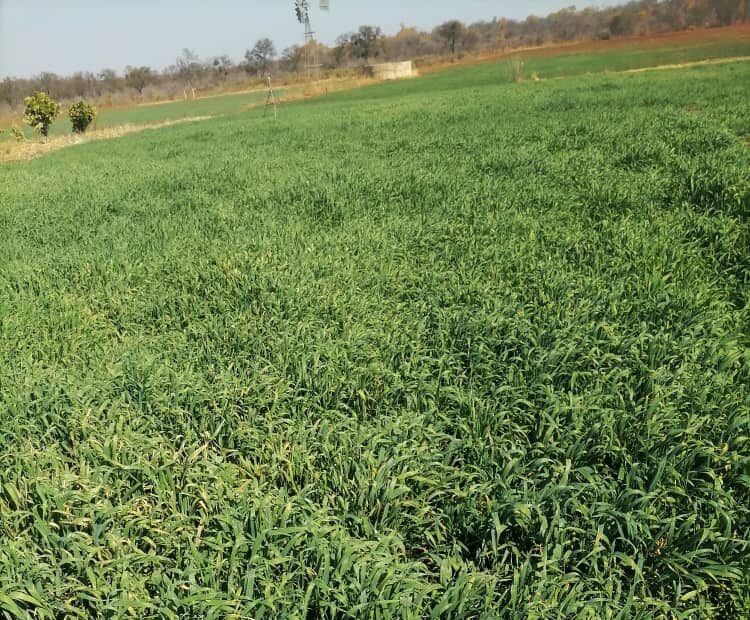
Oats
Oat seeds provide numerous health benefits for livestock. They are a nutritional powerhouse, packed with essential carbohydrates, proteins, vitamins, and minerals that support healthy growth, immune function, and overall well-being. Livestock fed with oats often experience better digestion, as oats are highly digestible and help improve feed conversion rates, leading to optimal weight gain and reduced digestive issues

Lablab
Lablab pastures provide excellent nutritional benefits for livestock, offering a high-protein forage option that supports growth, reproduction, and overall health. The leaves contain 21–38% crude protein, while the stems and grains also contribute valuable nutrients. This makes Lablab an ideal supplement for livestock diets, improving weight gain and milk production.
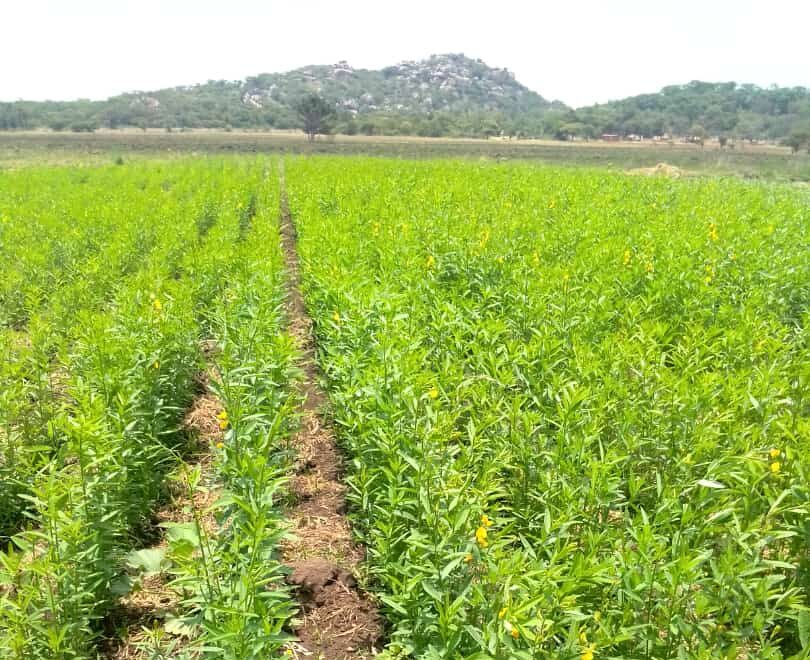
Sorghum
Sorghum is a valuable feed option for livestock, offering high energy content and digestibility comparable to corn. It provides essential nutrients, including protein, fiber, and minerals, supporting healthy growth and efficient feed conversion
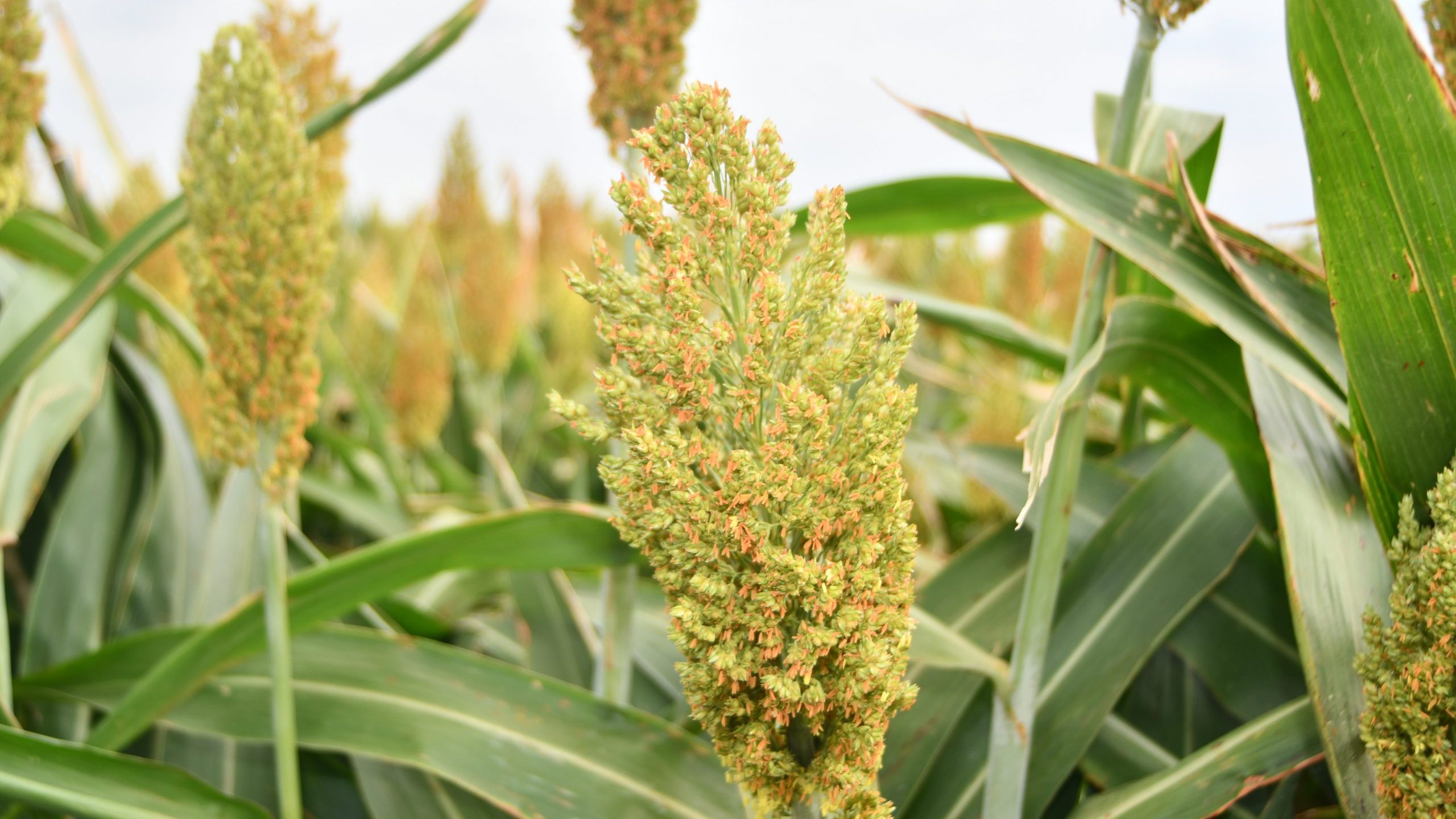
Forage sorghum
Forage sorghum is a warm-season crop cultivated specifically for feeding livestock such as cattle, sheep, and goats. Valued for its high nutritional content, it provides fiber, protein, and energy, making it especially useful during droughts or when other feed sources are limited. Its exceptional drought tolerance allows it to thrive in regions with scarce rainfall, while its versatility enables farmers to use it as hay, silage, or grazing material. Typically growing between 3 to 6 feet tall depending on the variety and conditions, forage sorghum requires careful management—including timely planting, variety selection, and adequate nutrient and water supply—to ensure optimal yield and quality.
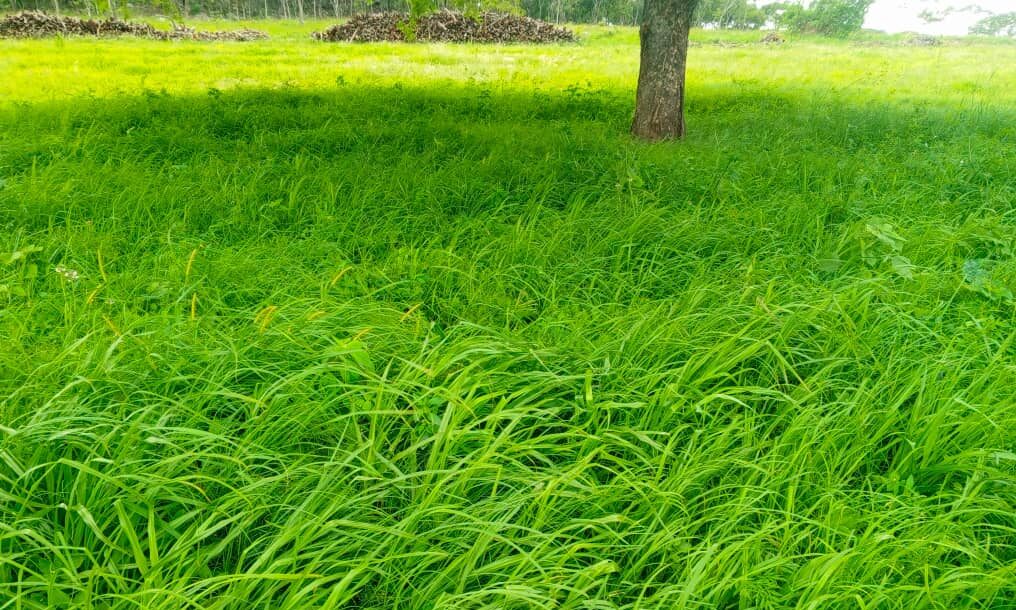
Teff Grass
Teff grass (Eragrostis tef) is a warm-season annual native to Ethiopia, valued for its high nutritional content—rich in fiber, protein, and minerals—making it an excellent livestock feed. While relatively drought-tolerant, it performs best with sufficient moisture and is commonly cultivated for hay used by horses, cattle, and other animals. Its adaptability to various soil types, including those with poor fertility or high salinity, along with its resilience to heat stress, makes it a versatile crop in warm climates.
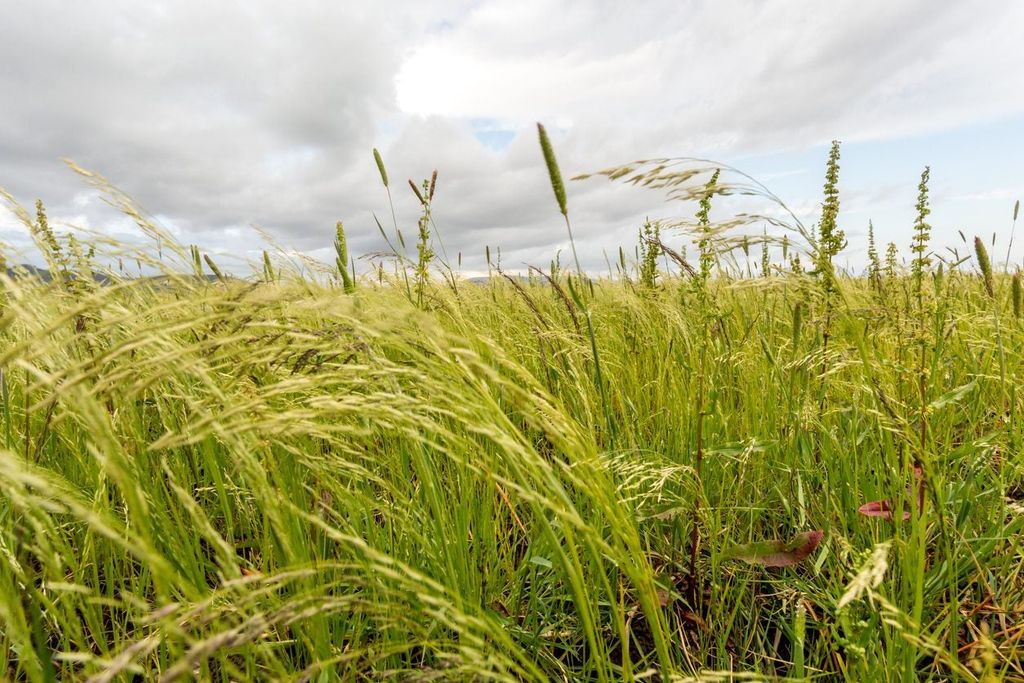
Guinea Grass
Panicum maximum, or Guinea grass, is a perennial forage native to Africa, widely valued for its high palatability, digestibility, and nutritional content, making it an excellent feed for livestock. It produces substantial biomass, suitable for hay, silage, or grazing, and thrives across diverse tropical and subtropical environments, including various soil types. While it prefers moist conditions, it can tolerate some drought, though extended dry periods may reduce its yield. Effective management through regular grazing or harvesting is key to sustaining its quality and productivity.
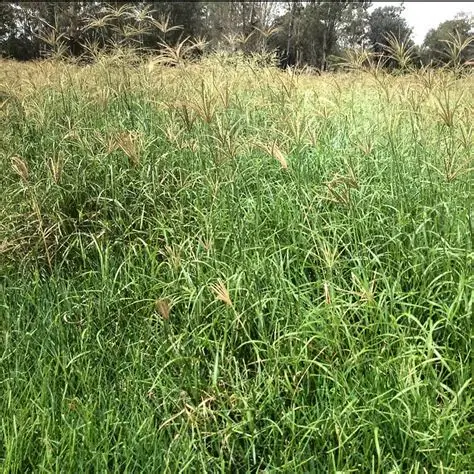
Katambora Rhodes
Katambora Rhodes grass is a hardy, fast-growing pasture variety known for its excellent drought tolerance and adaptability to tropical and subtropical climates. It establishes quickly through stolons, forming dense ground cover ideal for erosion control and grazing systems. With fine leaves and late flowering, it offers high-quality forage suitable for hay production. Katambora performs best in well-drained, fertile soils and responds well to nitrogen fertilization.
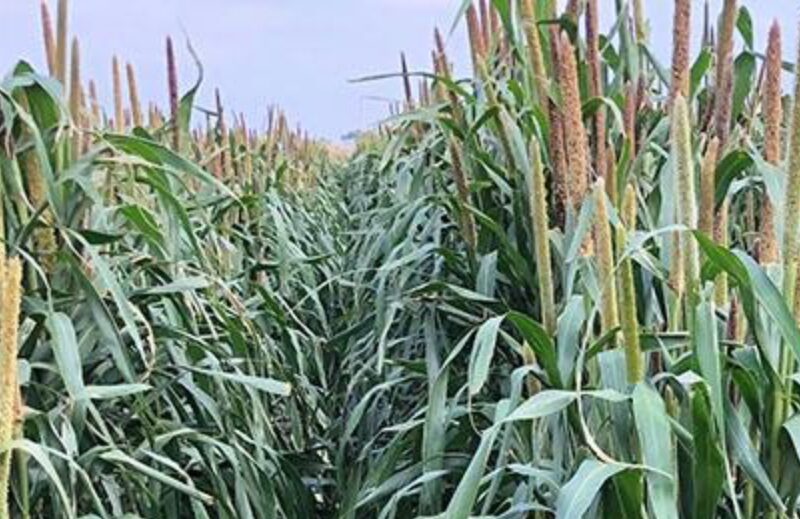
Forage pearl millet
Forage pearl millet (Babala) is a fast-growing summer annual ideal for grazing, silage, and green chop. It thrives in regions with 400–1500 mm of annual rainfall and can yield 8–12 tons of dry matter per hectare under irrigation. It mixes well with crops like forage sorghum and sunhemp for high-quality silage. Recommended seeding rates are 10–15 kg/ha for rows in dryland and 20–30 kg/ha for broadcast under irrigation. Grazing or cutting typically begins 60–65 days after planting, with follow-up use every 30–35 days once the crop reaches 400–600 mm in height.
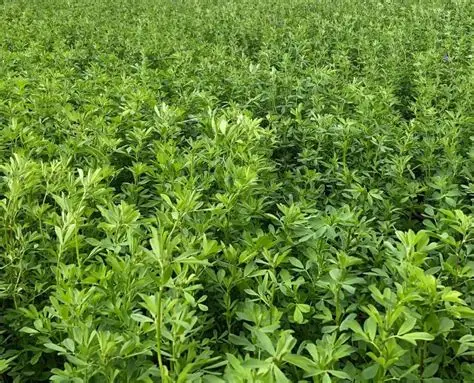
LUCERNE (Variety Aurora)
Lucerne (Variety Aurora) is a high-performing perennial legume known for its adaptability and strong regrowth, making it ideal for both hay production and rotational grazing. It thrives in well-drained soils with neutral to slightly alkaline pH and performs best under moderate to high rainfall conditions, though it can tolerate dry spells once established. Aurora produces dense, upright growth with purple flowers and trifoliate leaves, contributing to its excellent forage quality and palatability. Its deep root system enhances drought resilience and supports nitrogen fixation, improving soil fertility over time.
QUESTIONS?
Whether you’re curious about features, a free trial, or even press, we’re here to answer any questions.